The Multiple Profit Centers of Real Estate

Real estate is a fantastic investment for many different reasons. We went over 10 of those reasons in the previous post. Now let‘s look at seven specific profit centers whereby you can make money in real estate.
Profit Center #1: Instant Equity
Instant equity is created when we purchase a property for less than its true market value, which savvy investors always try to do. Now, you might be asking yourself, How is that possible? Why would anybody sell their property for less than it‘s worth? This is a good question. The answer is that people have different, personal reasons to sell their property at a discount. Maybe they are going through a divorce or moving out of the area. Or perhaps they inherited the property and don‘t want to keep it. It could also be and, in fact, often is that the owners are facing some financial difficulties requiring them to liquidate the property. In all these cases, the property owners must make a quick sale and are thus not focusing on getting top dollar for it. That, of course, is to our advantage because it enables us, the buyer, to purchase a property for a better price. That is how we gain instant equity, which virtually guarantees us a profit when we sell the property or refinance it in the future. Having instant equity also provides a buffer in case of emergencies. So if there is a problem with the property down the road, that instant equity can be a big help.
Profit Center #2: Leverage
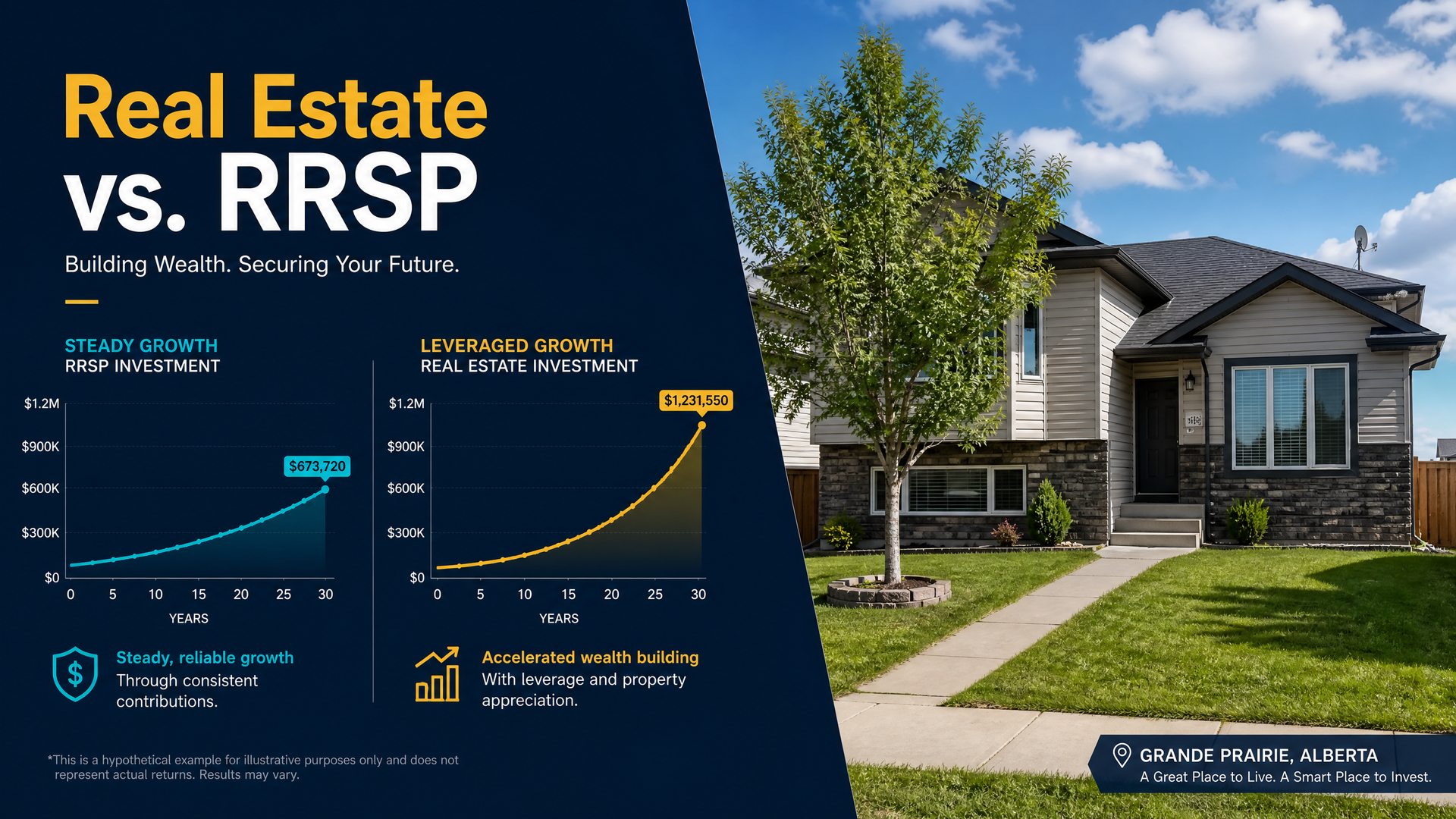
We mentioned leverage in our previous post; now let‘s dig deeper into how, exactly, it works and why it is considered a profit center in real estate. As a reminder, we can typically buy investment properties with a down payment of 15 to 25 percent of the total price, with the bank financing the rest. How does that turn into a profit center? It‘s a thing of beauty! As the property increases in value (appreciates)—which is another one of the profit centers we‘ll talk about shortly—its worth grows based on the entire value of the property. For example, if we have a $400,000 property and it goes up in value by 5 percent in one year, we‘ll end up with a $20,000 increase and a 5 percent total appreciation.
Those are the figures, but if we look at leverage, our return on the investment is actually much, much higher than that. Let‘s say we put a down payment of 25 percent on that $400,000 property. That would be a $100,000 cash investment in the deal. The bank then finances $300,000, for the total $400,000 purchase price. Now when we look at our return on investment from leverage, it‘s much higher because that 5 percent appreciation, or $20,000 in increased value in a year, is actually $20,000 return on our initial $100,000 cash investment. As if by magic, the 5 percent increase in the property value is actually a 20 percent return on the money invested. That is the power of leverage. Think about it: You are actually making money on the bank‘s investment! That is why leverage is such a powerful profit center.
Profit Center #3: Cash Flow
Cash flow is the money that is left over at the end of the month after we have paid all of the expenses on a property: the mortgage, property taxes, insurance, management, and maintenance. If, for instance, we are charging $1,000 a month in rent and our total expenses add up to $900 a month, our cash flow is $100 per month. There are several different ways to increase the cash flow. One of them is to minimize the expenses on the property, and another is to pay down the mortgage as quickly as possible. Typically, the mortgage is the largest expense on a property. When we pay off a big chunk of it (or, even better, pay it off completely), that will increase our cash flow exponentially.
Another way of getting more cash flow is to own more rental units in a specific property. For example, a small apartment building with several rental units would generate more income than a single-family home with just one rental unit and source of income. There are several more creative strategies that can help increase cash flow. You will learn about them in later posts. Remember: Cash flow is king, so we always want to make sure that we have positive cash flow. It goes without saying that we want to avoid paying for the property after we‘ve bought it; it should be paying us.
Profit Center #4: Mortgage Pay-Down
As mentioned before, we can reduce the mortgage owing so that the bank loan is reduced every month. Mortgage pay-down is similar to instant equity, leverage, and appreciation in that it is a kind of hidden profit center. Why hidden? Because we do not benefit from it directly until we either sell the property or refinance it, although it definitely does make your net worth statement look very nice. Now let‘s take a closer look at what makes up a typical mortgage payment. Mortgage payments are comprised of two components: interest and principal. When we first get the loan, most of our mortgage payment actually goes toward paying down the interest on the loan. As we get closer to the end of the mortgage term, most of the money will go toward the principal part of the loan. This is called amortization. This is the sneaky way that the banks can make very, very good money, even with interest rates as low as 2-3 percent. In a nutshell, they charge us most of that interest up front in the first one-third to one half of the mortgage term.
One of the strategies for increasing the mortgage pay-down is to make additional payments that count toward payment of the principal portion of the loan only. This helps reduce the principal owed much faster than by just making regular payments. This is where our tenant comes in. Every month that our tenant pays the rent, they are helping us lower our mortgage balance little by little. Over time, this payout becomes very substantial. It is another profit center that we see in real estate that does not exist in other investments.
Profit Center #5: Appreciation
Appreciation is the natural increase in the value of a property over time. If you were lucky enough to buy a home in a major city 30 years ago for $30,000 or $40,000, today your property may be worth as much as $1,000,000. That is huge appreciation. Of course, different markets have different
appreciation rates. And don‘t forget that real estate is cyclical. This means that sometimes appreciation is aggressive and high, while at other times it is meek and low. In the worst case scenario, it can be flat or even negative. Generally speaking, however, property values go up over time, usually increasing at a higher rate than inflation. You probably heard about people buying a property and flipping it soon after, making $30,000 or even as much as $100,000 in profit because the market was very hot. While it may sound great, this strategy is risky, so beware. This is pure speculation, as the investors are relying solely on fast market appreciation to make their money. However, if that particular market goes flat or negative, most speculators will go broke because they have set up their investment so that it is completely reliant on just this one profit center. Pure speculation is not what smart investors do.
Remember: The advantage of appreciation is that it is reliable over time. Investors who make the biggest profit from appreciation tend to be the ones who buy and hold properties for five years or longer. You may know the saying, Good things come to those who wait! A good one for real estate investing is, Don‘t wait to buy real estate. Buy real estate and wait.
Profit Center #6: Reinvestment
Reinvestment is when you take the profits from one real estate venture and then use them to buy another real estate investment. Let‘s say you own a property for five years and then you refinance it and take out $100,000 in profit. If you use that $100,000 to buy another property, then you are reinvesting. Reinvesting is a great way of using your money to create even more wealth for yourself and your family.
Profit Center #7: Depreciation
Earlier on, we mentioned all the benefits of appreciation. Now let‘s talk about its opposite: depreciation. This is a tax-reduction strategy that some investors like to use as another way of creating income from their real estate properties. In a nutshell, depreciation means that the government is allowing us to lower our taxes because (in theory, at least) the value of the structure on the land decreases over time. The building itself deteriorates with wear and tear, and eventually it will need to be replaced. The government understands this and allows us to depreciate the structure by a certain percentage every year. This means we can take off that amount from the total income generated by the building (and per- haps even from your personal income) and use it as a tax savings. The problem with depreciation, however, is that what the government gives, the government also takes away.
So while it is true that the condition of the structure does decrease over time, the value of the entire property typically goes up at a much higher rate. Imagine this scenario: You take depreciation benefits, but when you sell the property for more than what you paid for it (which is by far the usual case), the government claws back any tax refunds it gave you as depreciation.
The bottom line is this: Depreciation makes sense for some investors, depending on their particular income level and financial situation. It tends to make more sense the longer you plan on holding the property. In fact, if you keep the property indefinitely, it is probably a very wise strategy. On the other hand, if you only plan on owning the property for five years or less, depreciation may not be a good idea. This is something that varies from investor to investor, so you need to discuss your unique financial situation with a qualified financial professional, such as an accountant.
Summary:
Unlike other investment classes that typically offer one or perhaps two different ways to make money, with real estate, there are seven! We can create instant equity and buy a property for less than its true value. We can use leverage with the bank financing the majority of the purchase price of a property while we enjoy profits on the entire value of that property. Cash flow is the net profit that is left over
every month after we pay all of the expenses. With the mortgage we (or better said, our tenants) pay down, we pay off the loan little by little and increase our equity in the property over time.
Appreciation is the natural increase in market value of the property over time. Reinvestment is using the profits we make from one property to buy another, ideally increasing our cash flow and net worth at the same time. And depreciation is a tax reduction or deferral strategy that makes sense for some investors depending on their particular financial situation and the length of time they will be holding the property. In the next post, we will take a look at the different styles and kinds of real estate investments that are available to you. There is a veritable buffet of different choices.
“Don’t wait to buy real estate, buy real estate and wait.”
T. Harv Eker

Aaron Bellmore
Fresh Coast Investments